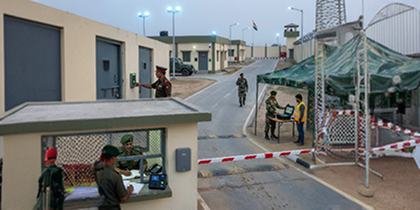
Deployment Fit
Border stretches, defence campus perimeters, ammunition depots, fuel and power sites, airfields and critical infrastructure outer lines.
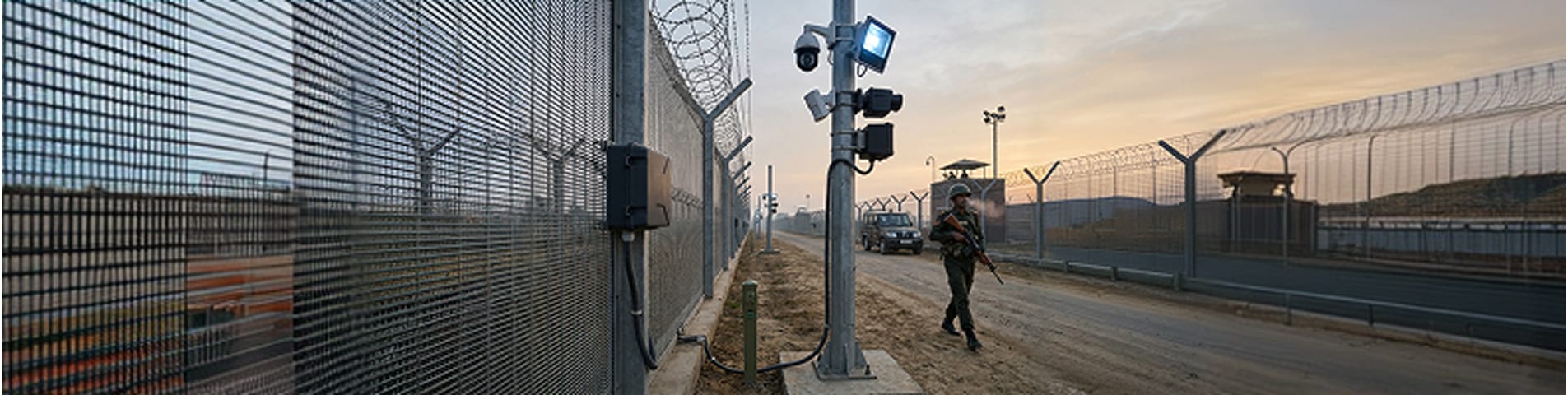
The perimeter that detects, alerts, and responds — before a human can react.
The Perimeter Intrusion Detection System is built for border stretches, defence campuses, ammunition depots, airfields and critical installations where the boundary itself must be intelligent. Long open lines, low visibility hours and large operating areas cannot rely only on patrols, watchtowers or fixed cameras. PIDS adds an always-on sensing layer that detects, classifies and alerts on intrusion attempts the moment they occur.
The platform combines wide-area sensing, ground-based detection and command-room visualisation so that an attempted breach is not an event that is discovered later — it is an event that is acted on in real time. Detection coverage can be extended across straight perimeters, irregular terrain and remote sectors that are difficult to monitor manually.
For mission-critical sites, the value of PIDS is response time. Every alert is tied to a sector, sensor, timestamp and category so that quick reaction teams, control rooms and supervisors can converge on the right point with the right information. It complements identity, access and visitor controls already in place — see Unified Identity & Access Management for gate-level workflows and Access Control with Integrated ANPR for vehicle movement at entry points.
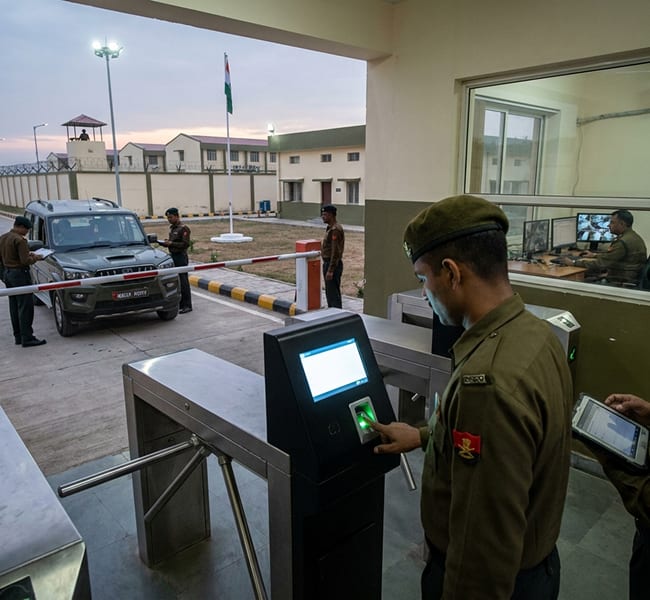
Intrusion attempts are surfaced to the control room within seconds, with sector context, sensor source and event category for fast decision making.
Coverage can be expanded across long open borders, segmented perimeters and remote sectors without redesigning the central command workflow.
Round-the-clock sensing supports day, night and low-visibility conditions, reducing dependency on manual patrols and watch shifts alone.
Intelligent classification reduces noise from wildlife, weather and routine activity so that operators trust each alert that reaches the screen.
Surveillance across extended border zones, restricted approaches and large facility outskirts that cannot be covered by perimeter cameras alone.
Movement, approach and intrusion patterns are detected at the outer envelope, giving response teams time to assess and act before contact with the inner line.
Ground-based sensing helps detect digging and underground intrusion attempts that are invisible to camera-only surveillance.
Border stretches, defence campus perimeters, ammunition depots, fuel and power sites, airfields and critical infrastructure outer lines.
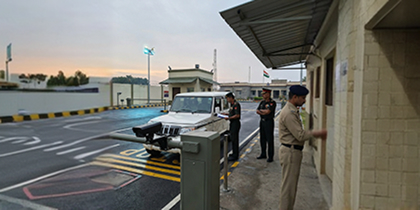
Alerts can be routed to a central control room and aligned with patrol, response and supervisor workflows already used at the site.
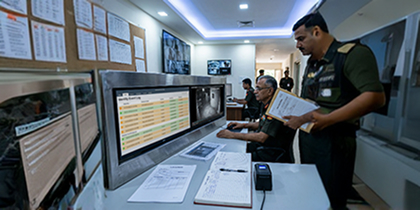
Event time, sector, sensor, classification and operator action can be preserved for review, investigation and command reporting.
PIDS works as the outer detection layer. It is most effective when combined with fence-line detection, identity-led access control and vehicle movement control.
Share your border, base or critical-site layout. Our team can map the sensor mix, command-room workflow and response integration for your PIDS rollout.